The Hidden Cost of Bringing Rubber Suppliers in Too Late
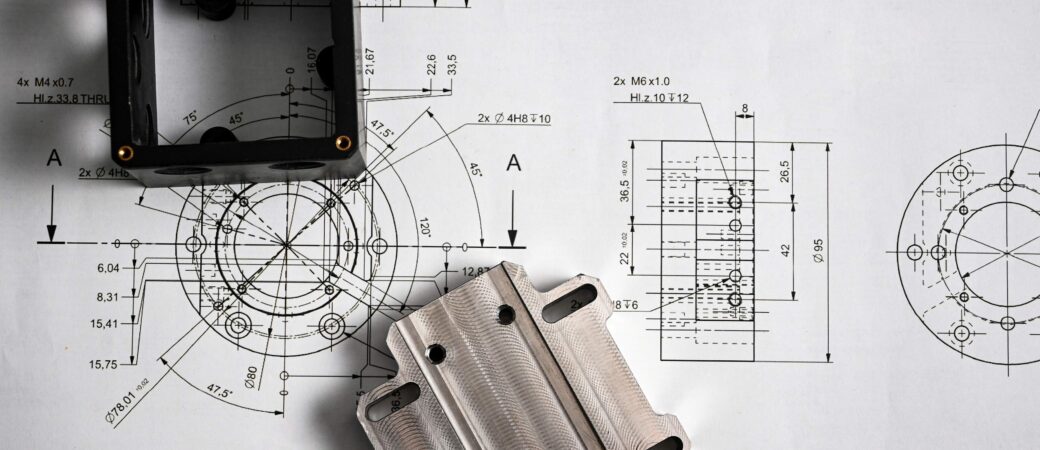
A seal, gasket, or molded rubber part may represent only a small fraction of a product's overall cost. Yet decisions involving materials, tolerances, manufacturability, and sourcing can significantly affect timelines, budgets, and production readiness.
As engineering teams face increasing pressure to accelerate development and bring products to market faster, involving suppliers early can help identify potential challenges before they become costly problems.
Small Design Decisions Can Have Large Consequences
Many project challenges originate from issues that could have been identified much earlier in the development process.
For rubber components, these issues can be highly application specific. A material may appear suitable on paper but fail to fully account for temperature exposure, fluid compatibility, compression set, ozone, UV, aging, or regulatory requirements. A tolerance may look reasonable on a drawing but be difficult to hold consistently because rubber behaves differently than metal or plastic during manufacturing. A geometry that seems minor may increase tooling complexity, affect demolding, create unnecessary scrap, or extend lead times.
Individually, these challenges may appear manageable. Together, they can lead to design revisions, additional testing, delayed approvals, and production setbacks that affect the entire project.
By involving suppliers early, teams can often identify these issues before designs are finalized, reducing the likelihood of costly changes later in the project.
Supply Chain Considerations Start Earlier Than Many Teams Think
Over the past several years, manufacturers have experienced firsthand how quickly supply chain conditions can change. A component that appears readily available during the design phase may become difficult to source by the time production begins.
Material availability, lead times, supplier capacity, and market conditions can all affect project schedules. When these factors are considered early, teams have more flexibility to evaluate alternatives, validate material choices, and reduce sourcing risk.
Collaborating with suppliers during the development stage can provide valuable insight into sourcing risks, material availability, and potential alternatives before they impact project schedules.
Manufacturing Realities Matter Before Production Begins
Many challenges associated with custom rubber components are not discovered until prototypes are built or production is underway. Material performance, tooling requirements, part geometry, and manufacturing tolerances all influence quality, consistency, lead times, and cost. Evaluating these factors during development often results in fewer design iterations, a smoother transition to production, and greater confidence in the final product.
Looking Beyond Piece Price
When evaluating suppliers, unit price is important, but it rarely tells the whole story.
Engineering time, project delays, quality issues, production interruptions, and supplier responsiveness often have a greater impact on total project cost than a small difference in component price. The most effective supplier relationships combine competitive pricing with technical expertise, quality consistency, reliability, and strong communication.
Questions To Ask Before Finalizing A Rubber Component Design
Before finalizing a seal, gasket, or molded rubber part, engineering and procurement teams should consider:
- 1. Has the material been evaluated against the actual operating environment?
- 2. Are the specified tolerances realistic for the material and manufacturing process?
- 3. Could the part geometry create tooling, molding, cutting, finishing, or inspection challenges?
- 4. Are alternate materials or equivalent sources available if supply conditions change?
- 5. Do prototype and production lead times align with the project schedule?
- 6. Has a rubber component specialist reviewed the drawing before design freeze?
These questions are easier and less costly to address early than after tooling, testing, approvals, or production commitments are already in place.
Conclusion
Rubber components may represent only a small fraction of a product's overall cost, but their influence on performance, manufacturability, and production readiness can be significant. By involving rubber suppliers early, or decisions and identify risks sooner, make more informed material and design decisions, and reduce the likelihood of costly revisions later in the project.
You need custom molded rubber parts?
Let's start a conversation! Tell us about your project and we’ll explain how we can help. Contact us
YOU MIGHT ALSO LIKE
Right Rubber, Wrong Conditions
5 Things to Include When Requesting a Quote for a Custom Rubber Part