5 Things to Include When Requesting a Quote for a Custom Rubber Part
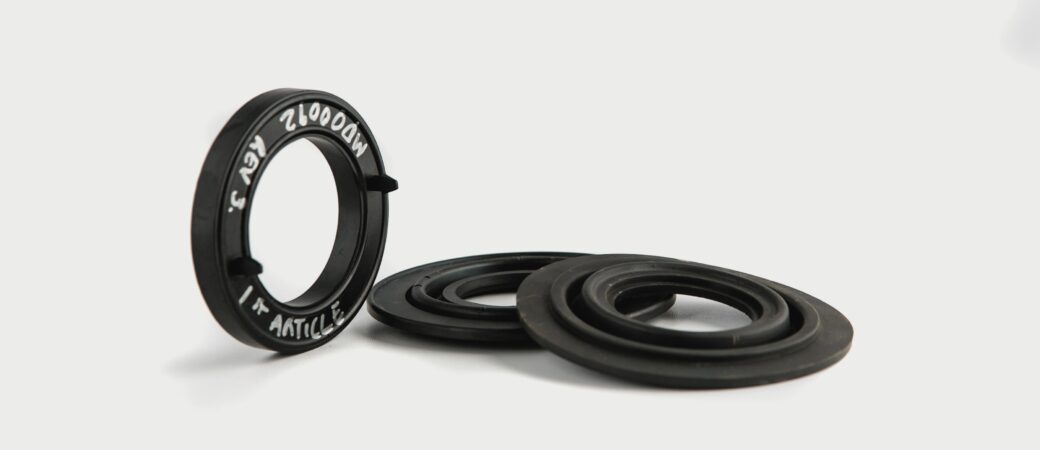
Whether you're sourcing a molded rubber component, a gasket, or silicone tubing, providing the right information upfront can improve quote accuracy and help move your project forward faster.
While not every project begins with a complete set of specifications, a few key details can help suppliers better understand your requirements, evaluate manufacturability, and identify potential challenges from the outset.
1. A Technical Drawing
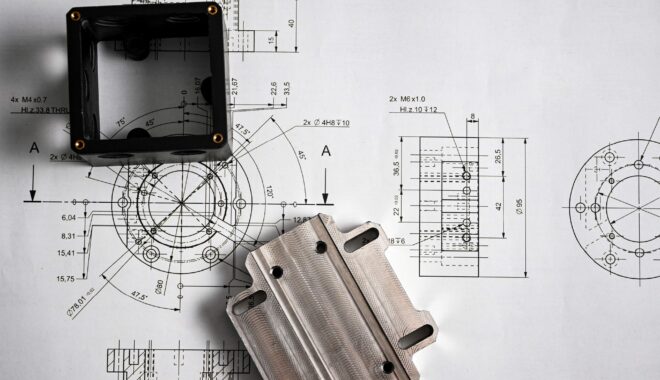
A drawing is often the most important starting point for a quotation.
Whenever possible, provide a drawing that includes dimensions, tolerances, material specifications, and any critical features. CAD files in .igs format can also be helpful, particularly for more complex parts.
Even preliminary drawings can provide valuable information and help initiate productive discussions. If certain dimensions or tolerances are critical to the performance of the part, be sure to identify them clearly so they receive the appropriate attention during the review process.
2. Material Requirements
Rubber is not a single material. Depending on the application, a component may be manufactured from silicone, EPDM, nitrile, neoprene, natural rubber, fluorosilicone, or many other elastomers.
If a material has already been specified, include the material grade and hardness (durometer). If not, information such as operating temperature, chemical exposure, outdoor use, UV exposure, or food-contact requirements can help identify suitable options.
3. Estimated Quantities
Expected volumes play an important role in determining tooling requirements, manufacturing methods, and overall project feasibility.
Whether you require prototypes, annual production volumes, or long-term forecasts, providing an estimate helps establish the scope of the project and supports a more accurate quotation.
Even a rough estimate is often enough to begin the conversation.
4. Application Information
A drawing rarely tells the entire story.
Understanding how a component will be used often provides valuable context that may not be obvious from dimensions alone. Information about the assembly, operating conditions, performance expectations, mating components, or the problem being solved can help identify important design and material considerations.
5. Regulatory or Industry Requirements
Certain applications require compliance with specific standards or regulations.
Requirements such as FDA, UL, NSF, RoHS, REACH, USP Class VI, or other industry-specific specifications should be communicated early in the quoting process, as they may influence material selection, testing requirements, and manufacturing considerations.
Better Information Leads to Better Quotes
Providing complete information at the beginning of a project helps reduce back-and-forth communication, improve quote accuracy, and accelerate timelines.
It also helps clarify important factors that may influence the manufacturing approach, including material selection, part complexity, tooling requirements, production volumes, inspection requirements, and regulatory compliance.
The more complete the information, the sooner meaningful discussions can begin and the easier it becomes to identify the right solution for your application.
You need custom molded rubber parts?
Let's start a conversation! Tell us about your project and we’ll explain how we can help. Contact us
YOU MIGHT ALSO LIKE
Right Rubber, Wrong Conditions
The Hidden Cost of Bringing Rubber Suppliers in Too Late